What is Deepfake Social Engineering?
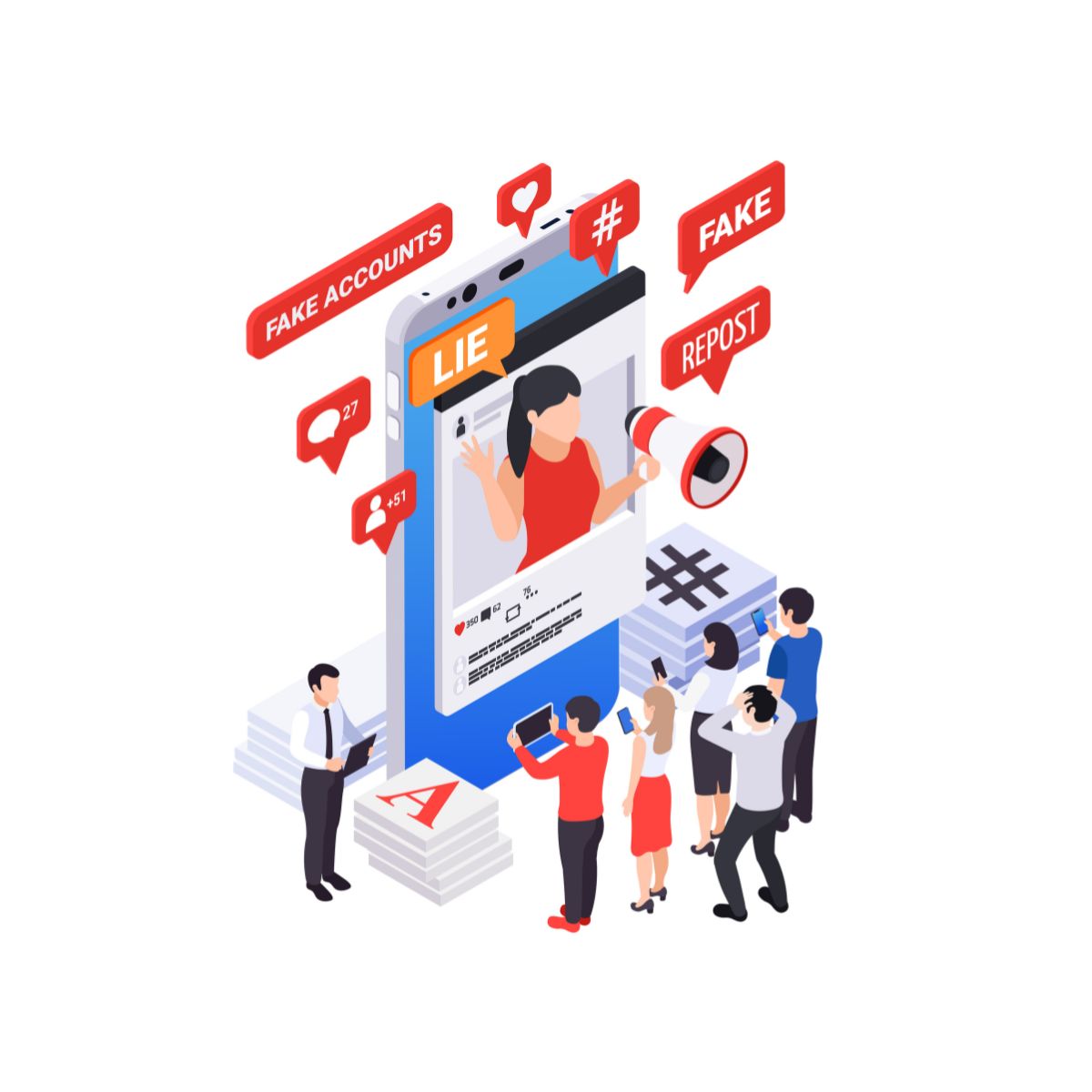
Deepfake social engineering refers to a form of manipulation where attackers use deepfake content—AI-generated videos, voices, or images—alongside traditional social engineering tactics to deceive their targets. The goal is to exploit trust by impersonating someone familiar, such as a CEO, manager, or colleague, and gain unauthorized access, information, or funds.
This threat is part of a broader category of AI-enhanced social engineering attacks and has been rising in both frequency and complexity. With tools like DeepFaceLab, Synthesia, and ElevenLabs, even amateur attackers can now create lifelike synthetic content, posing a serious risk to businesses and individuals alike.
How Bornsec Helps Organizations Detect and Prevent Deepfake Threats
Deepfake Social Engineering Tactics
Deepfake social engineering attacks can take multiple forms, depending on the attacker’s objective. Common tactics include:
Voice Cloning: Using AI-generated speech to imitate someone in a position of authority.
Video Call Impersonation: Simulating live Zoom or Teams calls with deepfaked faces of senior executives.
Synthetic Job Interviews: Applicants using deepfake avatars to pass video-based screenings.
Phishing Enhancements: Emails and messages are backed by deepfake videos or voice notes to enhance credibility.
These tactics are highly effective because they mimic real-time interaction and evoke urgency or trust, key components in successful social engineering.
Real Deepfake Social Engineering Incidents
Several incidents across the globe have already highlighted the dangerous potential of deepfake social engineering:
In one high-profile case, a UK energy firm lost approximately $240,000 after a scammer used a cloned voice of the CEO to request an urgent fund transfer. The audio was so convincing that the employee complied immediately.
In the United States, multiple organizations have reported job applicants attending video interviews using synthetic faces generated through deepfake software. These applicants attempt to gain access to privileged IT roles by faking their identities.
Some financial institutions have faced incidents where deepfaked videos of executives were used in virtual meetings to greenlight unauthorized financial transactions.
These examples are just the beginning. As AI tools improve, the barrier to launching such attacks continues to drop.
How to Detect Deepfake Social Engineering
Although deepfakes are becoming increasingly realistic, there are still several telltale signs that can help individuals and organizations detect them:
Lip Synchronization Issues: The mouth movements may not align perfectly with the speech.
Facial Artifacts: Blurring, flickering, or unnatural shadows around facial features.
Unusual Blinking or Gaze: Lack of natural eye movement or frequent unnatural blinking.
Audio Anomalies: Robotic tone, mismatched pitch, or background distortion.
Contextual Inconsistencies: Urgent or emotionally charged requests out of character for the person being impersonated.
Training employees to spot these signs is one of the first defenses against deepfake-driven scams.
Preventing Deepfake Social Engineering
Organizations must adopt a layered security approach to minimize the risks posed by deepfake social engineering. Here are several effective strategies:
1. Use Multi-Factor Identity Verification
Implement secondary verification mechanisms, especially for financial or administrative requests. This could include SMS or email confirmations, verbal codewords, or biometric logins that are more resistant to deepfakes.
2. Deploy Deepfake Detection Tools
Incorporate specialized tools that scan and analyze media content for signs of deepfaking. Solutions like Microsoft Video Authenticator and Deepware Scanner can help detect manipulated visuals or audio.
3. Regular Cyber Awareness Training
Educate staff on social engineering tactics and real-life cases involving deepfakes. Conduct simulated attack drills and encourage a culture where employees question unexpected requests, even if they appear to come from superiors.
4. Reduce Public Exposure of Executives
Minimize the public availability of high-definition videos and audio recordings of C-suite executives. The less data attackers have to work with, the harder it becomes to generate convincing deepfakes.
5. Update Cybersecurity Policies and Frameworks
Integrate deepfake threats into your existing cybersecurity governance, such as ISO 27001, NIST, or GDPR compliance programs. Define incident response plans specifically for synthetic impersonation scenarios.
These measures collectively form a proactive defense against evolving deepfake threats.
Enterprise Protection from Deepfake Social Engineering
Enterprises, particularly those in finance, healthcare, and technology, must treat deepfake social engineering as a priority risk area. The involvement of key personnel like CISOs, CIOs, and legal teams is essential to craft and implement a deepfake-specific cybersecurity strategy.
Establish internal protocols for:
Executive approvals for critical transfers or decisions
AI-powered surveillance on external communication platforms
Zero-trust policies across internal systems
Quarterly penetration testing and synthetic identity simulations
A well-structured policy that blends machine-based detection and human judgment is vital.
Technology Behind Deepfake Social Engineering
Understanding the technology behind deepfake attacks can aid in building defenses. Some of the popular tools and platforms used include:
DeepFaceLab: Used to create face swaps in videos
ElevenLabs: AI voice cloning and synthesis
Descript Overdub: Generate synthetic voices with user-provided samples
Synthesia: AI avatars and virtual presenters
Reface: Real-time face replacements for mobile applications
These tools, when used maliciously, can produce highly convincing content in a matter of hours.
Combating Deepfake Social Engineering Together
Organizations need to invest in a combination of tools, training, and culture to create a robust defense mechanism. This includes:
Internal simulations to test employee response
Vendor assessment for cybersecurity maturity
AI-based screening before executing financial instructions
Collaborating with legal and regulatory bodies to address misuse
Cybersecurity in the era of AI is no longer optional—it is foundational to enterprise survival.
Explore Bornsec’s Cybersecurity Services to Stay Ahead of AI-Based Social Engineering
Future of Deepfake Social Engineering
As generative AI models become more refined and accessible, the challenge of combating deepfake social engineering will continue to grow. Technologies like voice cloning and video manipulation are already moving into real-time execution, enabling attackers to conduct synthetic conversations with targets.
In the next few years, we can expect deepfake scams to spread into newer areas such as:
Virtual meetings in the Metaverse
AI-generated documents and signatures
Multi-modal impersonation combining voice, video, and gesture data
In parallel, regulators in India, the European Union, and the United States are exploring policy frameworks to address the legal and ethical dimensions of deepfake usage. Enterprises must stay ahead by aligning their risk posture with both technological advancements and legal standards.
Conclusion: Prepare Now, Protect Always
Deepfake social engineering is not a temporary trend—it is a long-term threat that will continue to evolve with advances in AI. Businesses that fail to adapt will find themselves vulnerable to attacks that bypass traditional defenses with ease.
To safeguard operations, organizations must blend advanced technology with human vigilance. Deepfake social engineering can be detected and neutralized when teams are trained, systems are monitored, and policies are enforced. The future of cybersecurity belongs to those who are prepared for threats that do not look or sound fake at all.
Stay informed on the evolving landscape of deepfake threats by consulting authoritative resources such as national cybersecurity frameworks and AI threat reports from global think tanks.